Views: 0 Author: Site Editor Publish Time: 2026-10-26 Origin: Site
Wet wipes do expire, but their shelf life varies by product type, formulation, packaging, and storage conditions. Over time, wipes may lose moisture, and some ingredients may become less stable. Damaged packaging or improper storage can also affect product quality.
Whether you use baby wipes, personal care wipes, or cleaning wipes, check the expiration date and follow the manufacturer's storage instructions. Explore the Deeyeo wet wipes product range to learn more about the different types of disposable hygiene products available. This guide explains how long wet wipes may last, how to recognize signs of deterioration, and how businesses can evaluate shelf life when sourcing wet wipes.
The shelf life of wet wipes depends on the product formulation and the manufacturer's validated testing. There is no single expiration period that applies to every type of wipe.
Unopened wet wipes may remain usable for an extended period when stored under the conditions specified by the manufacturer. However, the exact shelf life varies by product. Check the expiration date, best-before date, or manufacturing information printed on the package.
If the package does not show a clear expiration date, contact the manufacturer for guidance rather than assuming a standard shelf life.
Opening a pack exposes the wipes to air and increases the risk of moisture loss. Repeated exposure, poor sealing, and contamination can affect the quality of the remaining wipes.
Close the package securely after each use and follow the manufacturer's instructions for use after opening. Do not rely on a universal number of weeks or months, as different formulations and packaging systems perform differently.
Baby wipes, personal care wipes, and cleaning wipes may have different shelf-life requirements. Their ingredients, intended uses, and performance expectations are not the same.
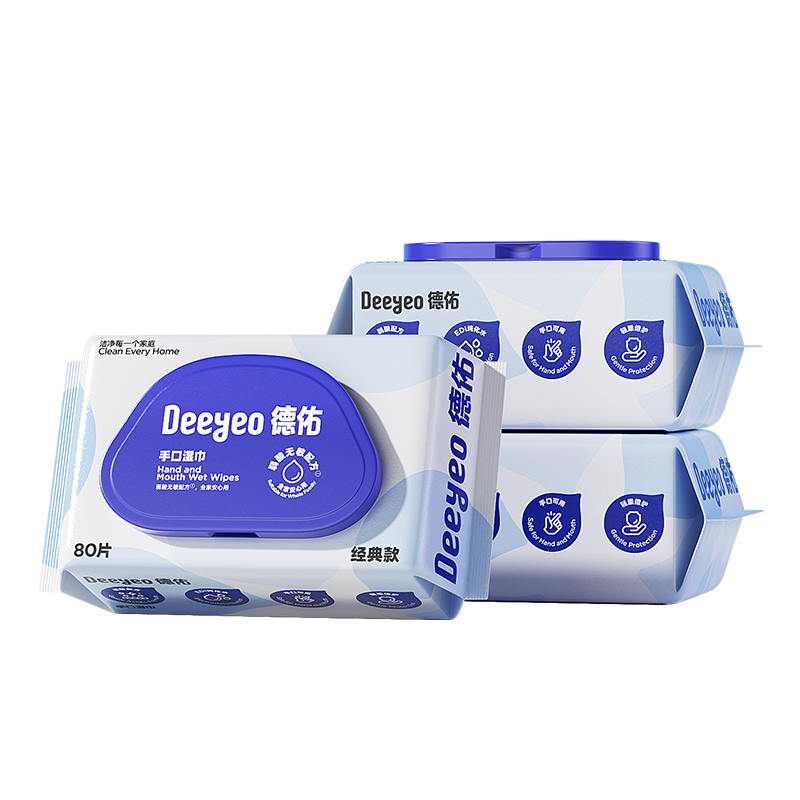
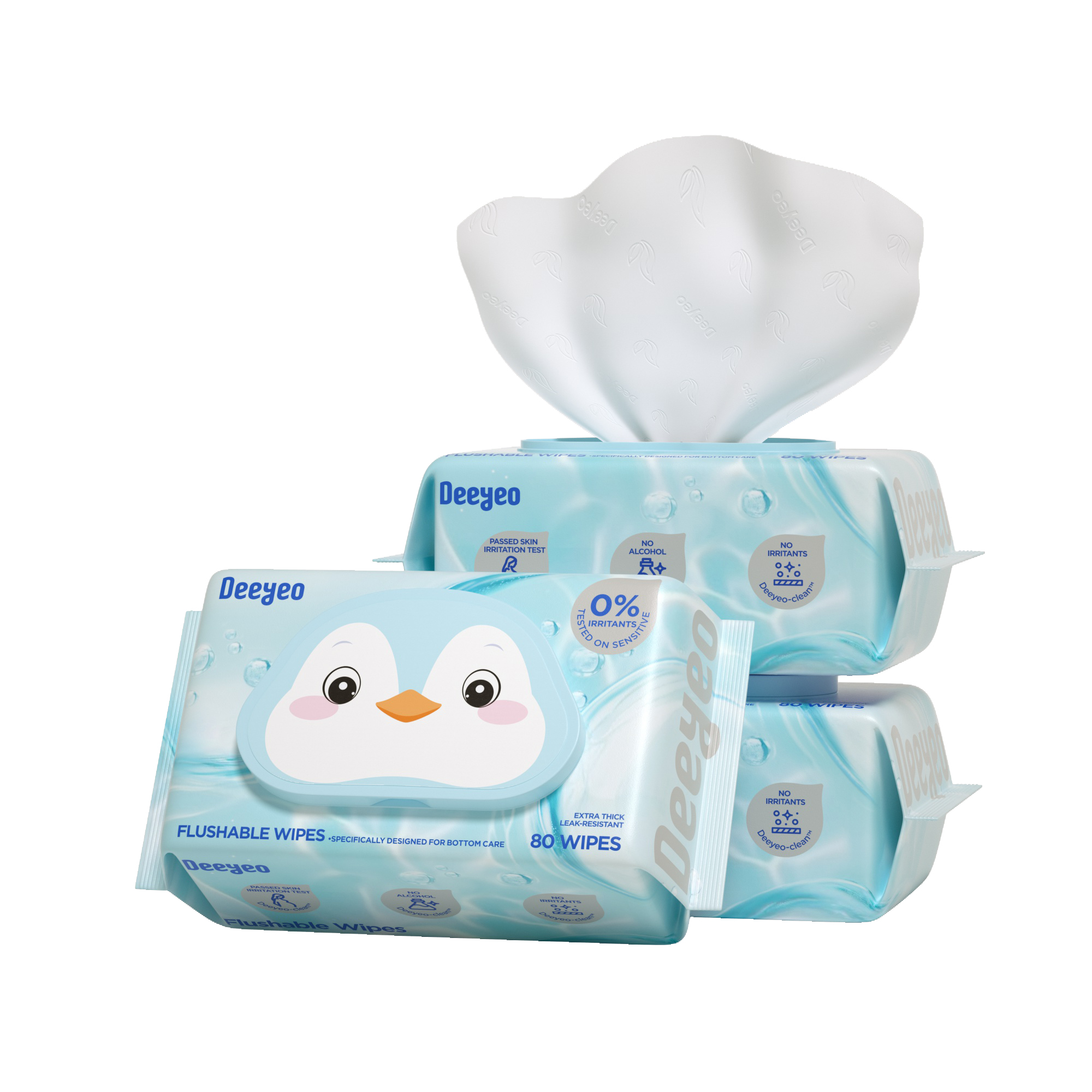
For example, buyers looking for baby wipes can explore Deeyeo's baby wet wipes collection and check the shelf-life information for each specific product.
The effectiveness of disinfecting wipes depends on their active ingredients and the conditions specified on the label. Do not assume that an expired product still provides the intended disinfection performance.
Several factors can affect wet wipes shelf life, including packaging quality, storage conditions, and formulation stability.
Wet wipes packaging helps retain moisture and protect the product from external contamination. Resealable labels, flip-top lids, and other closure systems can help reduce moisture loss after opening.
Damaged seals, torn pouches, or loose lids may allow the liquid to evaporate more quickly. For manufacturers and buyers, packaging performance is therefore an important consideration when evaluating product quality.
Heat, direct sunlight, and extreme temperatures may affect the moisture level and stability of wet wipes. Store wipes in a cool, dry place and keep them away from direct sunlight and heat sources.
Follow the storage conditions specified on the package. Avoid assuming that one temperature range is suitable for every wipe formulation.
Wet wipes contain liquid formulations designed for specific cleaning or personal care purposes. Ingredient stability and the preservative system can affect product quality during storage.
Different wipes may use different ingredients and preservation approaches. A product's shelf life should therefore be supported by suitable stability and quality testing rather than assumptions based only on its category.
Always check the package date and product condition before use. The following signs may indicate that wet wipes have deteriorated.
Wipes that have become unusually dry, stiff, brittle, or difficult to unfold may have lost moisture. This can reduce their usability and cleaning performance.
A sour, musty, or otherwise unusual smell may indicate a change in the product. Stop using the wipes if their odor differs noticeably from when the package was first opened.
Unexpected color changes, visible particles, or mold-like spots are reasons to discard the product. Do not use wipes if the liquid or fabric appears abnormal.
Torn pouches, broken seals, leaking liquid, or closures that no longer work properly may compromise product quality. If contamination is suspected, discard the wipes even if the expiration date has not passed.
These signs are not a substitute for the expiration date or the manufacturer's guidance. A product may deteriorate without showing obvious changes.
Proper storage can help maintain moisture and product quality throughout the intended shelf life.
Reseal the package: Close the lid or adhesive seal securely after every use.
Avoid heat and sunlight: Store wipes away from windows, heaters, and other heat sources.
Follow the label: Use the storage conditions and after-opening instructions provided by the manufacturer.
Keep packaging intact: Avoid using products with damaged seals or leaking packages.
Do not add water casually: Adding water to dried-out wipes may dilute the preservative system or introduce contamination. It does not guarantee that the product is safe to use.
Avoid unsuitable storage conditions: Do not leave wipes in hot vehicles or expose them to freezing conditions unless the manufacturer confirms that such storage is acceptable.
For businesses, proper warehouse storage and stock rotation are also important. Follow the manufacturer's storage requirements and use a first-in, first-out inventory process where appropriate.
Using expired wet wipes is not recommended unless the manufacturer specifically confirms that the product remains suitable for its intended use.
Expired wipes may have lost moisture or experienced changes in ingredient stability. Products with damaged packaging, unusual odors, discoloration, or suspected contamination should be discarded.
Disinfecting wipes require particular care. If the product is past its labeled expiration date, do not assume it can still deliver the stated disinfection performance. Follow the product label and applicable disposal instructions.
Do not flush wet wipes unless the specific product is clearly labeled and verified as suitable for flushing. Even products marketed as flushable should be disposed of according to their instructions and local requirements.
For importers, distributors, retailers, and private-label brands, shelf life affects inventory planning, storage, transportation, and customer satisfaction.
Before placing an order, businesses should consider the following factors:
Validated shelf life: Ask the supplier for the product's stated shelf life and supporting documentation where available.
Packaging performance: Review the closure design, seal integrity, and packaging suitability for the intended distribution conditions.
Storage requirements: Confirm the recommended storage conditions and any instructions for use after opening.
Product-specific testing: Check whether relevant quality and stability testing supports the product's intended shelf life.
Customization needs: Discuss the formulation, substrate, packaging format, and shelf-life requirements with the manufacturer when developing a private-label product.
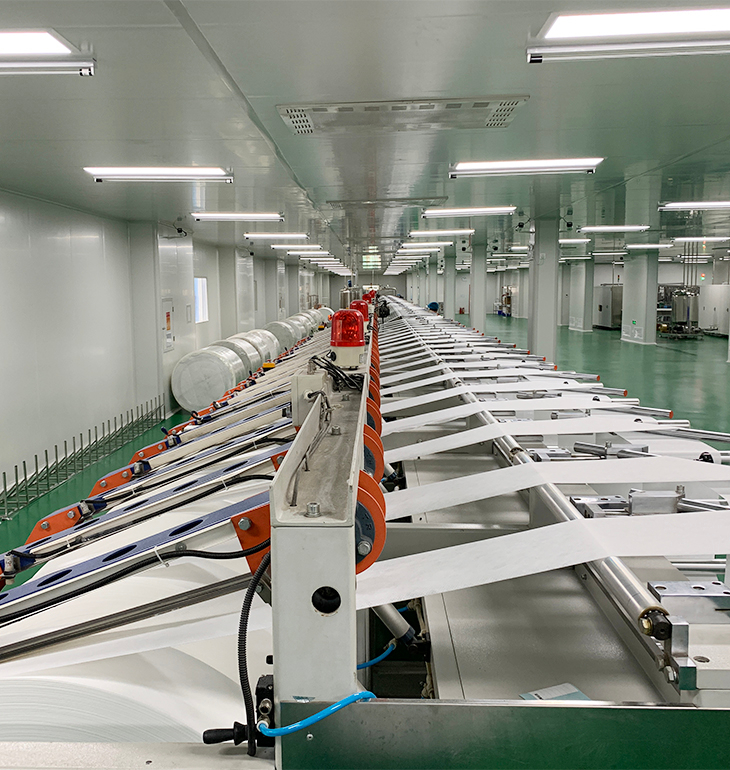
Businesses evaluating potential suppliers can learn more about Deeyeo's manufacturing background, product development, and production capabilities on the Deeyeo About Us page. Buyers interested in household cleaning products can also review the company's household cleaning wipes range.
Wet wipes have different shelf lives depending on their formulation, packaging, and storage conditions. Checking product dates, keeping packages sealed, and following manufacturer instructions can help maintain product quality.
For businesses sourcing wet wipes, it is important to confirm the stated shelf life, review packaging performance, and request relevant product documentation. Reviewing a manufacturer's product range and company background can help buyers identify products that match their sourcing requirements.
Yes. Wet wipes have a defined shelf life, which depends on their formulation, packaging, and storage conditions. Always check the product label and follow the manufacturer's instructions.
There is no universal period for all wet wipes. Moisture loss and contamination risks depend on the formulation, packaging, and how the pack is stored and resealed.
Warning signs include unusual dryness, an unexpected odor, discoloration, visible contamination, or damaged packaging. Discard wipes if you suspect deterioration.
Adding water is not recommended as a general solution. It may dilute preservatives or introduce contamination, and it does not guarantee that the wipes remain safe or effective.
Businesses should confirm the labeled shelf life, storage requirements, packaging performance, and relevant stability or quality documentation with the manufacturer.