
Views: 0 Author: Site Editor Publish Time: 2026-04-13 Origin: Site
Is toilet paper really enough for a truly clean feeling, or are we missing a better option? Many people are starting to question their daily routine and looking for something more effective and comfortable.
In this article, you will learn how a Toilet Wet Wipe compares to toilet paper in terms of cleanliness, comfort, and practicality. We will also explore how to choose the right option based on your needs and daily habits.
A Toilet Wet Wipe works through moisture-assisted cleaning, while toilet paper relies only on friction. That difference may sound simple, but it directly affects how effectively residue is removed. When using dry paper, people often need multiple wipes. That can increase irritation over time.
With a Toilet Wet Wipe, moisture helps lift and dissolve residue instead of just moving it. It also reduces the need for repeated wiping, which makes the experience feel smoother and more controlled.
Key functional differences:
A Toilet Wet Wipe uses a moist, soft nonwoven fabric, helping reduce friction on sensitive skin. It feels gentler, especially during repeated use.
Dry toilet paper depends on absorption and wiping pressure, which may leave small residues behind after initial use.
Wet wipes often include a mild formula, such as pure water or skin-friendly ingredients, which can improve comfort.
Paper is designed for quick breakdown, while wet wipes focus more on cleaning performance and user experience.
Cleaning effectiveness is one of the main reasons people compare these two options. Most users notice that dry paper may require several passes. Even then, it may not fully remove residue, especially in certain situations.
A Toilet Wet Wipe improves this by combining moisture and texture. It can remove residue more efficiently in fewer wipes. This is especially useful for people who care about hygiene or skin comfort.
| Aspect | Toilet Wet Wipe | Toilet Paper |
|---|---|---|
| Cleaning method | Moisture + wiping | Dry friction only |
| Residue removal | More thorough, fewer wipes needed | May require repeated wiping |
| Skin contact | Soft, low friction | Higher friction, can feel rough |
| User experience | Fresher, more comfortable | Basic, sometimes less satisfying |
In real use, the difference becomes clearer during:
After bowel movements where more thorough cleaning is needed
Situations involving sensitive or irritated skin
Daily routines where comfort becomes a priority
Many users describe the experience of using a Toilet Wet Wipe as “cleaner” and “more refreshing,” which explains why it is often seen as an upgrade rather than a replacement.
Most people don’t start with a Toilet Wet Wipe immediately. They usually switch after encountering specific problems with toilet paper. These situations are often practical, not theoretical.
Common triggers for switching:
Feeling not fully clean after using toilet paper alone
Experiencing skin irritation from repeated dry wiping
Needing a more comfortable solution during sensitive conditions
Looking for a better hygiene option during travel or work
Some users also switch gradually. They may combine both products instead of replacing one completely. For example:
Use toilet paper first to remove bulk residue
Follow with a Toilet Wet Wipe for final cleaning
Reduce overall wiping pressure and improve comfort
This hybrid approach is common because it balances cleanliness, cost, and convenience.
Another factor is lifestyle. As people become more aware of hygiene and personal care, they tend to look for products that feel more effective. That’s where a Toilet Wet Wipe becomes part of a more complete routine, not just a replacement for toilet paper.
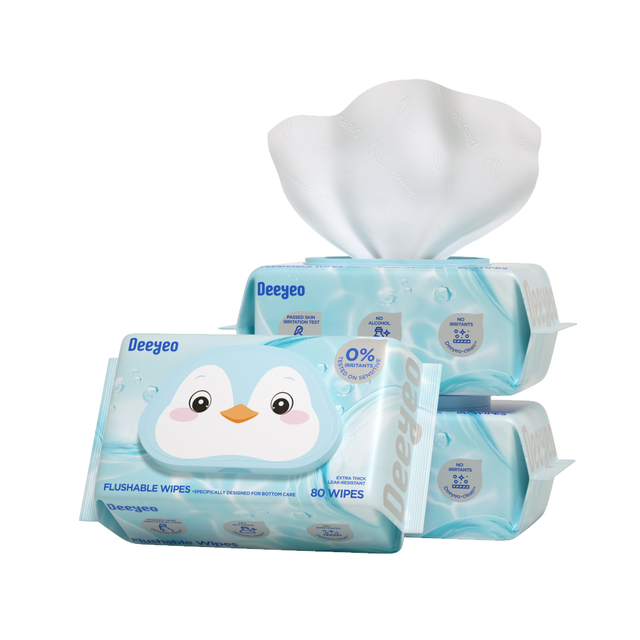
Understanding the difference between a Toilet Wet Wipe and traditional toilet paper is not just about preference. It’s about how each one performs in real daily situations. Many users don’t switch until they notice gaps in cleanliness or comfort. So, comparing how they work helps explain why habits change over time.
A Toilet Wet Wipe works through moisture-assisted cleaning, while toilet paper relies only on friction. That difference may sound simple, but it directly affects how effectively residue is removed. When using dry paper, people often need multiple wipes. That can increase irritation over time.
With a Toilet Wet Wipe, moisture helps lift and dissolve residue instead of just moving it. It also reduces the need for repeated wiping, which makes the experience feel smoother and more controlled.
Key functional differences:
A Toilet Wet Wipe uses a moist, soft nonwoven fabric, helping reduce friction on sensitive skin. It feels gentler, especially during repeated use.
Dry toilet paper depends on absorption and wiping pressure, which may leave small residues behind after initial use.
Wet wipes often include a mild formula, such as pure water or skin-friendly ingredients, which can improve comfort.
Paper is designed for quick breakdown, while wet wipes focus more on cleaning performance and user experience.
Cleaning effectiveness is one of the main reasons people compare these two options. Most users notice that dry paper may require several passes. Even then, it may not fully remove residue, especially in certain situations.
A Toilet Wet Wipe improves this by combining moisture and texture. It can remove residue more efficiently in fewer wipes. This is especially useful for people who care about hygiene or skin comfort.
Most people don’t start with a Toilet Wet Wipe immediately. They usually switch after encountering specific problems with toilet paper. These situations are often practical, not theoretical.
Common triggers for switching:
Feeling not fully clean after using toilet paper alone
Experiencing skin irritation from repeated dry wiping
Needing a more comfortable solution during sensitive conditions
Looking for a better hygiene option during travel or work
Another factor is lifestyle. As people become more aware of hygiene and personal care, they tend to look for products that feel more effective. That’s where a Toilet Wet Wipe becomes part of a more complete routine, not just a replacement for toilet paper.
When choosing a Toilet Wet Wipe, safety for daily use becomes a top concern. Most users want something gentle, reliable, and suitable for frequent contact. In general, modern wipes are designed for regular hygiene use, but the formula and material still matter a lot.
A well-designed Toilet Wet Wipe focuses on skin compatibility and mild ingredients. Products developed by manufacturers like Yeesain often highlight pure water formulas, no alcohol, and no added fragrance, which helps reduce irritation risks over time.
What affects skin safety the most:
Ingredients should be simple and mild, avoiding harsh chemicals. This reduces the chance of redness or discomfort.
The pH level should be close to the skin’s natural balance, helping maintain comfort during repeated use.
The fabric should feel soft and smooth, not rough or overly textured. This prevents micro-irritation.
Daily use depends on consistency, so users should monitor how their skin reacts over time.
The term “flushable” can be confusing. Many users assume it means the wipe will behave exactly like toilet paper after flushing. In reality, the definition is more about dispersibility under certain conditions, not guaranteed performance in every system.
A flushable Toilet Wet Wipe is usually made from plant-based dispersible fibers. These materials are designed to break apart more easily than regular wipes. However, the speed and completeness of breakdown can vary depending on water flow, pipe condition, and usage habits.
Important points to understand:
“Flushable” often means the wipe can pass through a toilet system, not necessarily break down instantly.
Material structure matters. Some wipes are designed to disperse gradually, not immediately.
Real-world conditions, such as older plumbing or low water flow, can affect performance.
Using too many wipes at once increases the risk of blockage, even for flushable types.
| Feature | Flushable Toilet Wet Wipe | Standard Wet Wipe |
|---|---|---|
| Material | Dispersible plant fiber | Non-dispersible fiber |
| Breakdown ability | Gradual | Very limited |
| Intended disposal | Toilet (with caution) | Trash bin |
| System compatibility | Depends on plumbing conditions | Not suitable for flushing |
Because of this, many users treat flushable wipes as “use carefully” products rather than fully risk-free options.
Even when using a flushable Toilet Wet Wipe, disposal habits still matter. Plumbing systems are not all the same. What works well in one home may not work in another. That’s why users often adjust their habits based on experience.
Best practices for everyday use:
Flush one wipe at a time instead of several together. This reduces system strain.
Avoid flushing wipes in older or narrow pipes, where blockages are more likely.
Consider using a waste bin option for consistent disposal, especially in sensitive systems.
Combine with toilet paper to reduce the number of wipes needed overall.
Situations where extra caution is needed:
Homes with septic systems
Buildings with shared or aging plumbing
Areas with low water pressure
These factors often influence how users decide to use Toilet Wet Wipes in real life, even if the product is labeled as flushable.
Cost is another important factor. While a Toilet Wet Wipe offers better comfort and cleaning performance, it usually comes at a higher price per use compared to toilet paper. However, actual cost depends on how the product is used.
Some users reduce usage by combining both. This approach balances performance and budget. Instead of replacing toilet paper completely, they use wet wipes as a finishing step.
| Cost Factor | Toilet Wet Wipe | Toilet Paper |
|---|---|---|
| Cost per unit | Higher | Lower |
| Usage per session | Fewer wipes needed | More sheets required |
| Total monthly cost | Moderate to higher | Lower |
| Value perception | Higher comfort and cleanliness | Basic functionality |
Choosing a Toilet Wet Wipe is not just about picking any product on the shelf. It’s about how it performs in real use. We care about comfort, strength, and consistency. A good wipe should feel soft, yet stay intact during use. It should clean effectively without needing pressure.
When users evaluate quality, they often focus on a few core features. These features directly affect daily experience, not just product specs.
Important features to evaluate:
Material strength and thickness matter more than expected. A higher GSM nonwoven fabric feels more durable and reduces tearing during use. It also improves control.
Moisture balance should be stable. If it’s too dry, cleaning becomes ineffective. If too wet, it may feel messy or wasteful.
Dispensing design plays a role in convenience. A good pack prevents multiple wipes from coming out at once.
Skin-friendly formula improves long-term comfort. Especially for users who rely on it daily.
Ingredients define how a Toilet Wet Wipe feels on the skin. Many users don’t check this at first. They only notice it after irritation appears. So, understanding what goes into the wipe helps prevent problems before they start.
A simple formula is usually a better choice. It reduces the risk of sensitivity and keeps the experience predictable.
Common ingredient types and what they mean:
Pure water formulations are often used for sensitive users. They rely on minimal additives, which helps reduce skin reactions.
Fragrance-free options avoid artificial scents. These are better for people who prefer a neutral experience or have sensitive skin.
Mild pH-balanced formulas support the skin’s natural barrier. They help maintain comfort during repeated use.
Alcohol-free design prevents dryness. It keeps the skin from feeling tight after use.
Pack size is often overlooked, but it changes how a Toilet Wet Wipe fits into daily life. A product may be high quality, but if the format doesn’t match the situation, it becomes inconvenient. That’s why choosing the right size matters.
Most users divide their usage into two main scenarios: home and on-the-go. Each requires a different type of packaging.
Typical usage patterns:
At home, users prefer larger packs, which last longer and reduce the need for frequent replacement. These are often placed in bathrooms for daily routines.
For travel or work, compact packs are more practical. They fit into bags and are easy to carry without taking up space.
Some users keep both. They use large packs at home and small packs outside, creating a flexible routine.
Pack design also matters. Resealable lids help maintain moisture and extend product usability.
| Usage Scenario | Recommended Pack Type | Key Advantage |
|---|---|---|
| Home | Large pack (e.g., 80 wipes) | Better value, long-lasting |
| Travel | Small pack (e.g., 10 wipes) | Portable, easy to carry |
| Office | Medium or compact pack | Convenient for daily use |
| Mixed use | Combination of sizes | Flexible and practical |
Wet wipes often provide a cleaner and more comfortable experience than toilet paper. A Toilet Wet Wipe uses moisture to remove residue more effectively and reduces friction on the skin. Many users combine both for better results in daily routines. Yeesain offers skin-friendly, well-designed wipes in multiple pack sizes, helping users achieve a cleaner, gentler, and more practical hygiene solution.
A: A Toilet Wet Wipe usually cleans more effectively and feels more comfortable than dry toilet paper.
A: Yes, a Toilet Wet Wipe is safe for daily use if it has a mild and skin-friendly formula.
A: A Toilet Wet Wipe with pure water and no fragrance is suitable for sensitive skin.
A: A Toilet Wet Wipe can be used with toilet paper for better cleaning results.
A: A Toilet Wet Wipe costs more per use but offers better comfort and cleaning value.


