
Views: 0 Author: Site Editor Publish Time: 2026-04-13 Origin: Site
Can you really use a Baby Wet Wipe on your baby’s face every day? Many parents worry about irritation, dryness, or hidden ingredients. It seems simple, but the answer is not always clear.
In this article, you will learn how to use a Baby Wet Wipe safely, what to look for in a gentle product, and how to avoid common mistakes. It will help you make better daily care decisions with confidence.
Parents often wonder if a Baby Wet Wipe is gentle enough for the face. In most cases, it is safe, but only under the right conditions. Facial skin is thinner than other areas. It reacts faster to pressure, friction, and ingredients.
A wipe designed for general cleaning may still feel too strong for the face. That is why understanding the difference between usage areas matters. The same product can behave differently depending on where it is used.
| Use Area | Sensitivity Level | What It Needs | Risk Level |
|---|---|---|---|
| Face | Very high | Extra soft, low irritation | Medium |
| Hands & Body | Moderate | Mild and flexible | Low |
| Diaper Area | High but tougher | Strong cleaning + protection | Medium |
Here is what you should keep in mind when using a Baby Wet Wipe on facial skin:
It should feel soft, not rough or dry. Even slight friction can lead to redness over time.
The formula should be simple. Water-based wipes usually reduce the chance of irritation.
Repeated wiping should be avoided. One gentle pass is often enough for light cleaning.
Many parents find wipes helpful after feeding or during travel. Still, gentle use always matters more than frequency.
Timing plays a key role. A baby’s skin develops quickly, especially in the first few weeks. During that early stage, the skin barrier is still forming. Because of that, many caregivers prefer using plain water at first.
As the baby grows, using a Baby Wet Wipe becomes more practical. It helps in situations where water is not available or when quick cleaning is needed.
Common scenarios where wipes are used:
After feeding, when milk or food stays around the mouth. It helps keep the skin clean and comfortable.
During travel, when carrying water is not convenient. Wipes offer a quick solution without extra tools.
Outdoors, where dust or dirt may settle on the face. A gentle wipe helps reduce irritation from exposure.
A simple age-based reference:
| Baby Stage | Skin Condition | Wipe Usage Recommendation |
|---|---|---|
| 0–4 weeks | Very delicate | Limited use, mostly avoid |
| 1–6 months | More stable but sensitive | Occasional gentle use |
| 6+ months | Stronger barrier | Regular light use acceptable |
Watching the baby’s reaction is important. If the skin looks calm, the routine is working. If redness appears, it is better to reduce use and switch methods.
Not all Baby Wet Wipe products are made for the same purpose. Some are designed for stronger cleaning, especially for diaper use. Others are developed for sensitive areas like the face and hands.
This difference is not always obvious at first glance. That is why checking product details becomes important. Labels, descriptions, and intended use can guide better decisions.
Things to look for before using a wipe on the face:
Wipes labeled for face and hand use are usually milder and safer.
Products that emphasize strong cleaning may contain more active ingredients.
Soft texture and moisture balance are key indicators of a gentle wipe.
Manufacturing quality also matters more than many expect. A company like Yeesain, which focuses on hygiene product development and controlled production environments, aims to keep material consistency stable. That helps ensure each wipe maintains softness and moisture balance.
They design wipes for everyday baby care scenarios. That includes cleaning the face after feeding or light outdoor exposure. For buyers, this kind of product positioning gives more confidence when choosing wipes for sensitive areas.
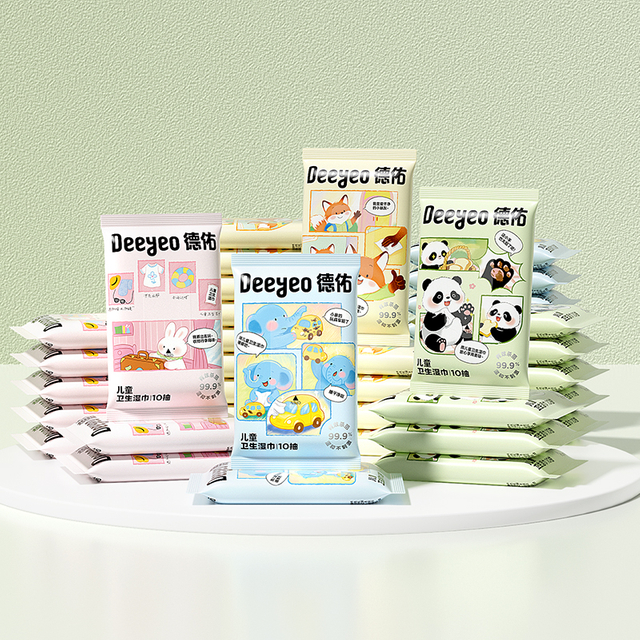
When choosing a Baby Wet Wipe for facial use, ingredients matter more than branding. The face reacts faster than other areas. So, a simple and gentle formula becomes the priority.
Most parents prefer wipes made mostly from purified water. It keeps the formula light. It also reduces the chance of irritation during daily use. Many high-quality wipes focus on this “water-first” approach, making them more suitable for cheeks and mouth areas.
Here are the most important features to look for:
Water-based formulaIt keeps the wipe mild and refreshing. It reduces chemical exposure. It also helps maintain natural skin balance during cleaning.
Alcohol-free claimAlcohol can dry the skin quickly. On facial skin, dryness appears faster. That may lead to redness or discomfort over time.
Fragrance-free compositionArtificial fragrance often causes irritation. Even if it smells pleasant, it may not be suitable for sensitive baby skin.
Not every Baby Wet Wipe is suitable for facial cleaning. Some wipes are made for stronger cleaning tasks. Those may include ingredients that are too active for delicate skin.
It is important to understand what to avoid. Even small amounts of certain substances may affect sensitive skin. Especially when used repeatedly.
Here are common ingredients to be cautious about:
Alcohol-based compoundsThey clean effectively but remove natural moisture. Over time, they may cause dryness and irritation on the face.
Strong preservativesSome preservatives help extend shelf life. However, certain types may trigger skin reactions, especially on thinner facial skin.
Artificial fragrance and dyesThese are often added for sensory appeal. They do not add cleaning value. Instead, they increase the chance of redness or allergic response.
Ingredients are important, but material plays an equal role. A Baby Wet Wipe touches the skin directly. So, its texture can affect comfort and safety during every use.
Facial skin is more delicate than most people expect. Even a mild formula can cause irritation if the material feels rough. That is why softness and thickness should not be ignored.
There are two common material types:
Soft non-woven fabricIt feels smooth and flexible. It reduces friction during wiping. It is widely used in baby care products.
Thin or rough texture wipesThey may feel dry or uneven. They can create friction, especially during repeated wiping.
Using a soft wipe also means less pressure is needed. That helps reduce unnecessary contact with the skin.
Many products mention “hypoallergenic” or “skin-tested.” These terms help guide buyers, but they need to be understood correctly. They do not mean zero risk. Instead, they indicate reduced likelihood of irritation.
For a Baby Wet Wipe, these claims suggest the product has been tested under controlled conditions. It helps confirm the formula and material are generally suitable for sensitive skin.
Key points to understand:
HypoallergenicIt means the formula is designed to minimize allergic reactions. It does not guarantee that every baby will have the same response.
Dermatologically testedIt indicates the product has been evaluated on skin. It provides a level of safety reassurance for daily use.
Irritation testingIt checks how the skin reacts over repeated use. This is especially important for facial applications.
Even so, every baby is different. Observing skin response remains important during use.
Using a Baby Wet Wipe on the face is simple, but technique matters more than most people expect. Gentle handling helps protect the skin. It also reduces the chance of irritation during daily cleaning.
Here is a practical step-by-step approach:
Start with clean handsIt helps prevent transferring dirt or bacteria. Clean hands make the whole process safer.
Take one soft Baby Wet WipeDo not use multiple wipes at once. A single, moist wipe is usually enough for light cleaning.
Wipe gently, not repeatedlyUse soft, light strokes. Avoid rubbing the same area again and again.
Focus on key areasClean the cheeks, around the mouth, and the chin. These areas collect milk, food, or saliva easily.
A simple visual guide:
| Step | What to Do | Why It Matters |
|---|---|---|
| Preparation | Clean your hands | Keeps hygiene controlled |
| Wipe selection | Use one soft wipe | Avoids over-wiping |
| Cleaning motion | Light, single-direction wipe | Reduces friction |
| Final check | Observe skin condition | Detects early irritation |
Many parents use wipes after feeding or outdoor time. In those moments, a gentle and quick clean works best. A soft wipe, used once, is often enough to keep the skin fresh.
Even a gentle Baby Wet Wipe should not be used everywhere on the face. Some areas are more sensitive. They require extra care or should be avoided completely.
The most sensitive zones include:
Around the eyes and eyelidsThe skin here is extremely thin. Even soft wipes may cause discomfort or redness.
Inside the nose or lipsThese areas are not suitable for wipes. They may react quickly to moisture or ingredients.
Broken or inflamed skinIf the skin looks red, dry, or irritated, wiping may make it worse. It is better to pause and allow recovery.
When using wipes, always watch the baby’s reaction. If they seem uncomfortable, it may be better to stop and switch to another method. Gentle care is always more important than speed.
Frequency is another important factor. Even a safe Baby Wet Wipe should not be overused. The goal is to balance convenience and skin health.
For most babies, wipes can be used occasionally or as needed, especially after feeding or when outside. However, using them too frequently may increase the chance of dryness, even with a mild formula.
Here are some practical guidelines:
Occasional useIdeal for cleaning after meals or outdoor exposure. It keeps skin clean without overuse.
Daily light useAcceptable if the wipe is gentle and the skin shows no reaction. Always keep the wiping soft and minimal.
Avoid excessive useRepeated cleaning throughout the day may remove natural moisture. This can lead to dryness over time.
It helps to observe the skin regularly. If it stays soft and calm, the routine works well. If dryness or redness appears, reducing frequency is a better choice.
When selecting a Baby Wet Wipe for facial use, sensitivity comes first. Baby skin reacts quickly. So, we need a formula that stays simple and balanced. It is not about strong cleaning. It is about gentle care every time we use it.
A mild wipe usually follows a few clear rules. It avoids unnecessary ingredients. It focuses on hydration and softness. That makes it more suitable for daily face cleaning.
Here are signs of a gentle Baby Wet Wipe:
Simple ingredient listFewer ingredients reduce risk. It helps avoid unexpected reactions on delicate skin.
Water-based formulaIt feels light and fresh. It keeps the skin clean without stripping moisture.
No alcohol or fragranceThese are common irritants. Removing them makes the product more stable for facial use.
Soft and moist textureA good wipe stays evenly wet. It glides on the skin instead of dragging.
Choosing the right Baby Wet Wipe is not only about formula. Pack size also affects how and when we use it. Different situations require different formats. A good choice depends on daily routine and environment.
There are two main types of packs. Each serves a different purpose:
Travel-size packsSmall and easy to carry. They fit into bags or strollers. They are ideal for outdoor use or short trips.
Home-size packsLarger and more economical. They are better for regular use at home. They help reduce frequent repurchasing.
It is helpful to match pack size to real usage. For example, a travel pack works well after feeding outside. A larger pack fits daily routines at home. Using the right format improves convenience and avoids waste.
Many people focus only on ingredients. However, manufacturing quality also plays a key role. A Baby Wet Wipe must stay consistent from one piece to another. That depends on production standards and material control.
High-quality production ensures:
Stable moisture levelEach wipe should feel the same. Too dry or too wet can affect skin comfort.
Uniform softnessConsistent material reduces friction. It helps protect delicate facial skin during use.
Clean production environmentControlled conditions reduce contamination risk. It supports hygiene and product safety.
For parents and buyers, this consistency matters. It makes the product more predictable during daily care. It also builds trust when using wipes on sensitive areas like a baby’s face.
Wet wipes can be used on a baby’s face when they are gentle and used carefully. Parents should focus on simple formulas, soft materials, and safe usage habits. Choosing the right product and using it gently helps keep the baby’s skin clean and comfortable. Yeesain offers baby wipes developed for daily care, focusing on soft texture, stable quality, and mild formulas. Their products support practical use in feeding, travel, and routine cleaning, giving parents a more reliable and convenient option for baby facial care.
A: Yes, a Baby Wet Wipe is safe if it is gentle and alcohol-free.
A: Use a Baby Wet Wipe occasionally, not too frequently.
A: Baby Wet Wipe may irritate sensitive eye areas.
A: Look for water-based Baby Wet Wipe without fragrance or alcohol.
A: Not all; choose a mild Baby Wet Wipe made for sensitive skin.


