
Views: 0 Author: Site Editor Publish Time: 2026-04-13 Origin: Site
Are wet wipes really safe for babies? Many parents worry about hidden risks. A Baby Wet Wipe touches delicate skin every day. Small choices can make a big difference.
In this article, we will explore what makes a Baby Wet Wipe safe. You will learn how to choose the right one. We will also explain when to use wipes and when to avoid them.
Baby skin is not just smaller—it behaves differently. It is thinner, more permeable, and less developed in its protective barrier. This means it absorbs substances faster and loses moisture more easily. Because of this, even mild ingredients can sometimes cause irritation if the formulation is not balanced.
Baby skin has a thinner outer layer, making it more vulnerable to friction and dryness
It reacts faster to chemicals, even in small amounts
Moisture imbalance can occur quickly, especially during frequent diaper changes
When using a Baby Wet Wipe, it is important to think beyond cleaning. It should support the skin, not just remove dirt. Gentle wiping, soft fabric, and controlled moisture all matter in daily use.
| Feature | Baby Skin | Adult Skin |
|---|---|---|
| Thickness | Very thin barrier | Thicker protective layer |
| Sensitivity | High | Moderate |
| Moisture retention | Easily lost | More stable |
| Reaction to chemicals | Faster and stronger | Slower and less intense |
Ingredients are the core of safety. A Baby Wet Wipe can feel soft, but the formula inside determines whether it is truly gentle or potentially irritating. Many parents focus on packaging claims, but reading the ingredient profile gives a clearer picture.
Safe and commonly preferred components include:
Purified water → acts as the main base, reduces irritation risk
Mild cleansers → remove dirt without stripping natural oils
Skin-conditioning agents → help maintain hydration and softness
On the other hand, some ingredients require caution:
Alcohol → dries skin and weakens the barrier over time
Strong fragrance → increases the chance of allergic reactions
Harsh preservatives → may trigger redness or discomfort
A well-designed Baby Wet Wipe keeps its formula simple and controlled. It avoids unnecessary complexity. It focuses on what the skin actually needs.
pH balance is often overlooked, but it plays a key role in skin health. Baby skin naturally sits in a slightly acidic range. If a Baby Wet Wipe disrupts that balance, it can weaken the skin barrier and increase irritation risk.
pH-neutral or slightly acidic wipes help maintain skin stability
Unbalanced wipes may lead to dryness or redness after repeated use
Consistent pH control supports long-term skin comfort
Hypoallergenic formulas add another layer of safety. They are designed to reduce the chance of allergic reactions, especially for babies with sensitive skin. However, it is important to understand that “hypoallergenic” does not mean zero risk—it means reduced risk.
In practice, a reliable Baby Wet Wipe combines both:
Balanced pH for daily use
Low-irritation formulation for sensitive skin
Controlled ingredient selection
Manufacturers like Yeesain emphasize these aspects through purified water systems, gentle formulation design, and controlled production environments. This helps align product performance with what parents expect from safe baby care solutions.
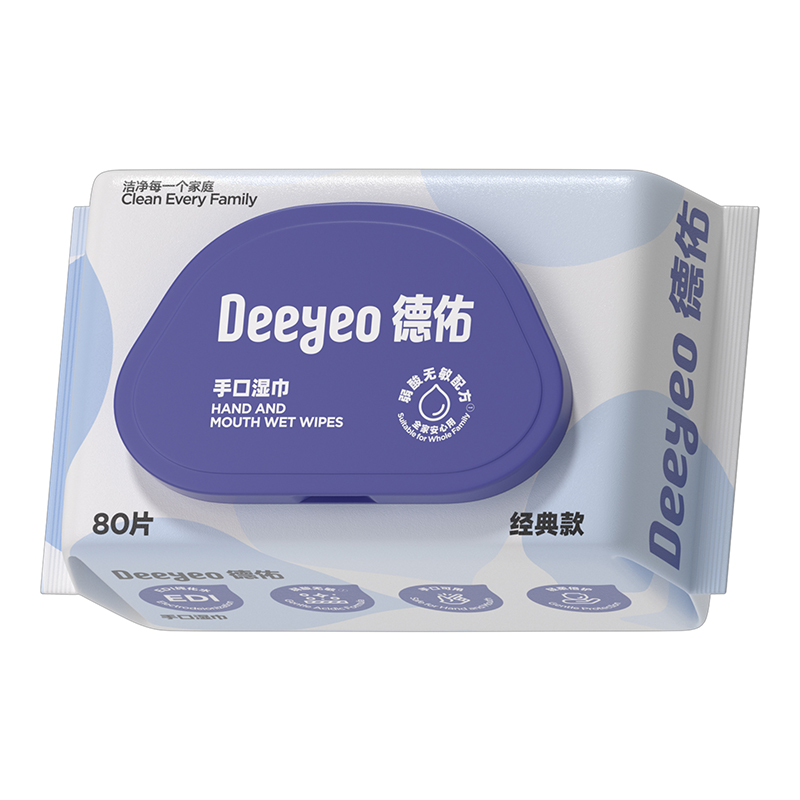
In most normal situations, Baby Wet Wipe products are safe for routine cleaning. They are designed for repeated use, especially during diaper changes and quick cleanups. The key is choosing a gentle formula and using it appropriately.
Common safe use scenarios include:
Diaper changes → removes urine and stool gently without excessive rubbing
Cleaning hands and mouth → helpful after feeding or outdoor play
Quick face wiping → removes dirt when water is not available
A well-formulated Baby Wet Wipe, like those designed with purified water and soft fabric, supports these daily needs without stressing the skin.
Even gentle wipes are not suitable in every condition. When the skin is already damaged, wiping can increase discomfort instead of helping.
Avoid using Baby Wet Wipe products in these cases:
Diaper rash → skin is inflamed and more sensitive
Eczema flare-ups → barrier is already weakened
Broken or peeling skin → friction may worsen the condition
Also watch for early warning signs after use:
Redness that does not fade quickly
Dry patches or flaking
Baby shows discomfort during wiping
In these situations, switching to warm water and a soft cloth is often a better short-term solution. It reduces friction and avoids additional chemical exposure.
Yes, but with caution. The face is more delicate than other areas. Especially around the eyes and lips, the skin reacts more easily.
Safe use on the face depends on a few conditions:
The Baby Wet Wipe is fragrance-free and alcohol-free
The formula is designed for hand and mouth use
The wiping motion is gentle, not repetitive or forceful
Important areas to be careful with:
Around the eyes → avoid direct contact
Around the nose folds → clean softly without pressure
Lips and mouth → use minimal wiping, not scrubbing
Instead of wiping repeatedly, it is better to dab or lightly glide the wipe across the skin. This reduces friction and protects the natural barrier.
Frequency matters more than most people think. Even a gentle Baby Wet Wipe can cause issues if used too often or too aggressively.
Key factors to consider:
Over-wiping → repeated friction weakens the skin barrier
Moisture exposure → constant dampness can lead to irritation
Pressure during wiping → increases risk of redness
A simple adjustment in technique can make a big difference:
Use fewer wipes when possible
Wipe once or twice, not repeatedly
Let the skin dry naturally or gently pat dry
Consistent gentle use is safer than aggressive cleaning. That is how a Baby Wet Wipe becomes a helpful tool rather than a source of irritation.
When you read a label, keep it simple. A safer Baby Wet Wipe usually has fewer ingredients. It focuses on gentle cleaning instead of strong chemical action. The best formulas are designed to clean while keeping the skin balanced.
Look for these key features:
Water-based formula → it forms the base and reduces irritation risk
Alcohol-free → helps prevent dryness and barrier damage
Fragrance-free → lowers the chance of allergic reactions
Skin-conditioning ingredients → support moisture and softness
A short ingredient list is often a good sign. It means fewer unnecessary additives. It also makes it easier for parents to understand what they are using.
Not all ingredients are suitable for babies. Some are used for preservation or scent, but they may increase sensitivity over time. It is important to recognize these names, even if they appear in small amounts.
Be cautious of the following:
Parabens → used as preservatives but linked to skin sensitivity concerns
Phenoxyethanol → common preservative, may irritate sensitive skin
Formaldehyde-releasing preservatives → can trigger allergic reactions
Synthetic fragrances → often contain multiple hidden compounds
Harsh surfactants (like SLS) → may strip natural oils from the skin
Instead of avoiding everything, focus on balance. A Baby Wet Wipe should use safe preservation systems, but not overload the formula with unnecessary chemicals.
| Ingredient Type | Purpose | Possible Concern |
|---|---|---|
| Parabens | Preservation | Sensitivity in some users |
| Phenoxyethanol | Preservation | Irritation in delicate skin |
| Formaldehyde releasers | Antimicrobial | Allergic reactions |
| Synthetic fragrance | Scent | Hidden irritants |
| Strong surfactants | Cleaning | Skin dryness |
Reading labels becomes easier once you know what to avoid. It helps you make faster, safer decisions.
The formula matters, but the fabric matters too. A Baby Wet Wipe touches the skin directly. If the material is rough or too thin, it can cause friction and discomfort.
Good material characteristics include:
Soft nonwoven fabric → reduces friction during wiping
Thick structure → prevents tearing and improves cleaning efficiency
High moisture retention → keeps the wipe effective without drying out
Think about how it feels during use. A soft, well-moistened wipe glides over the skin. A rough or dry wipe may require more pressure, which increases irritation risk.
| Material Feature | Benefit for Baby Skin | Risk if Poor Quality |
|---|---|---|
| Soft texture | Gentle contact | Friction irritation |
| Thick fabric | Better cleaning, less rubbing | Needs repeated wiping |
| Moisture balance | Smooth wiping action | Dryness or dragging on skin |
A high-quality Baby Wet Wipe combines both formula and fabric. One without the other is not enough.
Safety is not only about ingredients and material. It also depends on how the product is made and tested. Reliable manufacturers invest in quality control, testing, and clean production environments.
Look for these signals:
Skin irritation testing → ensures compatibility with sensitive skin
Microbial testing → confirms hygiene and product safety
Certified production systems → shows controlled manufacturing processes
Trusted manufacturers like Yeesain focus on these areas. They combine R&D, clean workshop production, and quality testing across the full process. This helps ensure that each Baby Wet Wipe performs consistently in real use.
Choosing a reliable brand means you do not rely only on claims. You rely on systems behind the product. It gives more confidence when the wipe is used every day.
Skin irritation can happen, but it is not caused by all wipes. It usually comes from specific factors working together. Sensitive skin, frequent wiping, and certain ingredients can increase the chance of a reaction.
Common situations where irritation may appear:
Frequent wiping → increases friction on delicate skin
Sensitive skin type → reacts faster to small changes
Ingredient sensitivity → certain preservatives or fragrances trigger redness
Signs to watch for include:
Redness that lasts longer than a few minutes
Dry or flaky patches
Baby showing discomfort during cleaning
A well-formulated Baby Wet Wipe reduces these risks. It uses mild ingredients and soft fabric. It does not eliminate all reactions, but it lowers the chance significantly.
Many products use words like “natural” or “chemical-free.” They sound reassuring, but they can be misleading. Everything is made of chemicals, including water and plant extracts. The real question is not whether something is natural, but whether it is safe and well-formulated.
Important points to understand:
“Natural” does not always mean non-irritating
Plant-based ingredients can still cause allergies
Marketing terms do not replace proper testing
Instead of focusing only on labels, look at:
Ingredient transparency
Simplicity of formulation
Testing and safety validation
A Baby Wet Wipe should be judged by its full formula and testing process. Not just by marketing words.
Newborn skin needs extra care. During the first weeks, the skin barrier is still developing. It reacts more easily to both friction and ingredients. This does not mean wipes are unsafe, but it means parents should be more careful.
Practical precautions include:
Choose ultra-mild, fragrance-free Baby Wet Wipe products
Use wipes only when necessary, not excessively
Observe skin response after each use
In some situations, water may be better:
During the first few weeks of life
If the baby shows signs of sensitivity
When the skin is already irritated
A balanced approach works best. Use wipes when needed. Adjust based on how the baby’s skin responds.
This is a common concern. Many parents worry about long-term effects. Current understanding suggests no strong evidence of damage when wipes are used correctly. Problems usually come from misuse, not the product itself.
Factors that support long-term skin health:
Choosing a gentle Baby Wet Wipe
Avoiding over-wiping
Maintaining proper skin dryness after cleaning
Potential issues appear when:
Wipes are too harsh
Skin is left damp for long periods
Irritation signs are ignored
Consistent gentle care is what matters most. A well-designed Baby Wet Wipe supports that routine without disrupting the skin over time.
Baby Wet Wipe products are generally safe when gentle and used correctly. Parents should check ingredients, skin response, and usage habits. Yeesain offers soft, alcohol-free wipes with controlled production, helping provide reliable daily care and consistent quality for sensitive baby skin.
A: Yes, a Baby Wet Wipe is safe if it is gentle, alcohol-free, and used properly.
A: Yes, a Baby Wet Wipe can be used on the face, but avoid the eye area.
A: A Baby Wet Wipe may irritate due to sensitive skin or certain ingredients.
A: Not always, a Baby Wet Wipe must be well-formulated, not just labeled natural.
A: Stop using a Baby Wet Wipe if redness or skin irritation appears.


