
Views: 0 Author: Site Editor Publish Time: 2026-04-13 Origin: Site
Have you ever run out of toilet paper and reached for a hand wipe instead? It seems like a simple solution, but is it really the right choice for daily hygiene? Many people ask this question, especially when looking for a cleaner and more comfortable routine.
In this article, you will learn the real differences between hand wipes and Toilet Wet Wipe products. We will explore when hand wipes might be used, what makes toilet wet wipes more suitable, and how to choose the right option for your daily hygiene needs.
When people compare wipes, they often assume all wipes serve the same purpose. In reality, the design intent is very different. Hand wipes focus on convenience and quick cleaning. They remove surface dirt after eating, traveling, or touching objects. However, they are not optimized for repeated use on sensitive skin areas.
A Toilet Wet Wipe, on the other hand, is built specifically for bathroom hygiene. It targets comfort, gentle cleaning, and a fresher feeling after use. Manufacturers like Yeesain develop such products through controlled production processes and hygiene-focused formulations, ensuring they meet more demanding daily-use requirements. :contentReference[oaicite:0]{index=0}
Key functional differences users should understand:
| Feature | Hand Wipes | Toilet Wet Wipe |
|---|---|---|
| Primary Use | Cleaning hands and surfaces | Intimate hygiene |
| Skin Sensitivity | General skin use | Designed for sensitive areas |
| Moisture Level | Moderate | Balanced for comfort and cleaning |
| Daily Use Suitability | Occasional | Suitable for regular use |
| Product Focus | Convenience | Hygiene + comfort |
There are situations where hand wipes become a practical fallback. For example, when toilet paper is unavailable during travel or in public spaces, using a hand wipe can help maintain basic cleanliness. In these moments, convenience matters more than optimization.
Still, it is important to understand the limitations. Hand wipes are not designed for repeated bathroom use, so relying on them daily may lead to discomfort or inconsistency in cleaning experience.
Typical situations where temporary use may happen:
Traveling without access to proper hygiene products
Emergency situations at home or outdoors
Public restrooms with limited supplies
Quick clean-ups when no better option is available
Even in these cases, users tend to notice differences quickly:
The texture may feel less gentle compared to a Toilet Wet Wipe
The moisture level may not provide a complete clean
The overall experience may feel less comfortable over time
At first glance, using hand wipes regularly may seem convenient. However, long-term use reveals several limitations. The formulation, texture, and intended purpose all play a role in user experience.
Important factors to consider:
Skin compatibility: Hand wipes may not be optimized for sensitive areas, leading to irritation over time.
Cleaning effectiveness: They may not provide the same level of freshness as a Toilet Wet Wipe.
Consistency: Daily routines require reliable comfort, not occasional convenience.
Product design: They are not engineered for bathroom-specific needs.
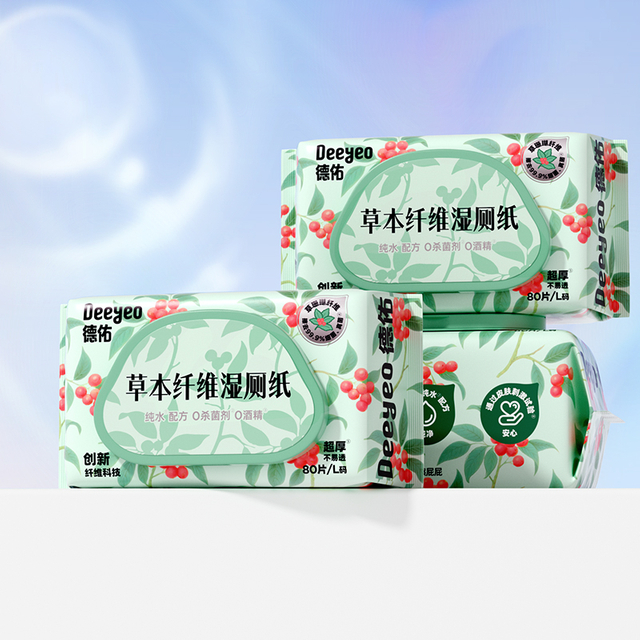
When we compare cleaning methods, the biggest difference comes from how moisture works. Dry toilet paper mainly removes visible residue. It works fast, but it often leaves behind small particles. Over time, users start noticing this limitation, especially after repeated use.
A Toilet Wet Wipe works differently. It uses controlled moisture to lift and remove what dry paper cannot fully handle. The wipe glides across the skin, helping reduce leftover impurities. This creates a cleaner feeling without requiring excessive wiping.
How users experience the difference in daily use:
Dry toilet paper often requires multiple passes to feel clean. It can increase friction during use, especially when used frequently.
A Toilet Wet Wipe can complete cleaning faster. It removes residue more efficiently while using fewer motions.
Moisture helps dissolve and lift particles. This improves the overall hygiene experience.
Here is a clear comparison of performance:
| Aspect | Toilet Paper | Toilet Wet Wipe |
|---|---|---|
| Cleaning depth | Surface-level | More thorough |
| Number of wipes needed | Usually higher | Usually lower |
| Residue removal | Partial | More complete |
| User experience | Basic clean | Enhanced clean |
Comfort becomes more important when hygiene is a daily routine. Toilet paper may feel acceptable at first, but repeated use can create friction. Over time, some users notice dryness or mild irritation, especially if the paper is not soft enough.
A Toilet Wet Wipe is designed to reduce this friction. It adds moisture and softness during use. This helps protect the skin and creates a smoother experience. Manufacturers like Yeesain focus on controlled production and material selection, so the wipes stay gentle during repeated use.
Key comfort-related factors users pay attention to:
Texture softness and flexibility
Moisture balance during use
Ingredient simplicity for sensitive skin
Consistency in daily routines
In practice, the difference feels like this:
Toilet paper may feel rough after multiple uses. It can create discomfort during sensitive situations.
Toilet Wet Wipes reduce friction. They glide more easily and feel softer on contact.
Users often feel more confident using wipes regularly. The experience stays consistent.
These small changes improve comfort in a noticeable way, especially for users who value daily hygiene quality.
The feeling of freshness is one of the biggest reasons people choose wipes. Dry cleaning methods remove residue, but they do not provide a refreshed sensation. After using toilet paper alone, the skin may still feel dry or incomplete.
A Toilet Wet Wipe adds a different layer to the experience. Moisture creates a cooling and clean feeling. It helps users feel fully refreshed, not just partially cleaned. This psychological and physical effect plays a major role in product preference.
What contributes to the refreshing feeling:
Balanced moisture creates a cooling effect during use
Gentle contact reduces irritation and discomfort
More complete cleaning improves confidence after use
The word “flushable” sounds simple, but it actually depends on how the wipe behaves after disposal. A Toilet Wet Wipe labeled as flushable is usually designed to break apart faster than regular wipes. Still, real-world conditions such as water flow, pipe design, and usage habits can affect how well it performs.
To better understand expectations, here is a simple breakdown:
| Factor | Flushable Toilet Wet Wipe | Regular Wipes |
|---|---|---|
| Breakdown in water | Faster | Slower |
| Intended for flushing | Yes (limited use) | No |
| Material design | Dispersible fibers | Stronger, non-dispersible |
| Risk level | Lower (when used correctly) | Higher |
Even with these features, users should still be mindful of how they use the product in daily routines.
Even when a product is labeled as flushable, many users still think about their plumbing system. Not all homes or buildings have the same pipe structure. Older systems, in particular, may be more sensitive to any type of wipe.
Common concerns users have:
Will wipes accumulate in pipes over time?
Is the drainage system strong enough to handle them?
Should wipes be flushed or disposed of separately?
Because of these concerns, some users take a cautious approach:
They flush only one wipe at a time instead of multiple.
They use a bin for disposal in uncertain plumbing conditions.
They avoid flushing wipes in older buildings or low-flow systems.
Situations where extra caution is recommended:
Homes with older plumbing infrastructure
Septic tank systems with limited capacity
Areas with weak or inconsistent water pressure
High-frequency use in shared bathrooms
These habits are not about avoiding wipes altogether. They are about adapting usage based on real-life conditions.
Using a Toilet Wet Wipe safely is mostly about balance. It is not just about the product itself, but also about how it is used in everyday routines. Small adjustments can make a big difference in both performance and long-term convenience.
Best practices for daily use:
Use wipes in moderation instead of excessive amounts.
Combine wipes with toilet paper for a more efficient routine.
Follow product instructions regarding flushing limits.
Store wipes properly to maintain moisture and quality.
A practical routine many users follow:
Start with toilet paper for initial cleaning.
Use one Toilet Wet Wipe for a finishing clean.
Dispose responsibly based on plumbing conditions.
This approach keeps the experience simple, effective, and consistent. It also helps users get the benefits of both methods without unnecessary risks.
When choosing a Toilet Wet Wipe, ingredients matter more than most people expect. It is not just about cleaning power. It is also about how the wipe interacts with your skin during repeated daily use. A well-formulated wipe should feel gentle, balanced, and consistent every time.
Key ingredients and features to prioritize:
Fragrance-free formulas help reduce irritation risks, especially for sensitive users.
Alcohol-free compositions prevent dryness and discomfort after use.
Skin-friendly materials support long-term comfort without harsh reactions.
Balanced moisture levels ensure effective cleaning without leaving residue.
In practice, users often notice the difference after a few uses. A high-quality wipe feels smooth, not overly wet or sticky. It maintains comfort even with repeated use throughout the day.
Here is a quick comparison to guide decision-making:
| Ingredient Type | Why It Matters | User Experience |
|---|---|---|
| Fragrance-free | Reduces irritation risk | More comfortable for sensitive skin |
| Alcohol-free | Prevents dryness | Softer, less harsh feeling |
| Mild formulation | Supports daily use | Consistent comfort |
| Balanced moisture | Improves cleaning | Cleaner, fresher feel |
Sensitive skin requires extra attention, especially in a daily hygiene routine. A standard wipe may feel fine at first, but repeated use can lead to discomfort if the formulation is not optimized.
When selecting a Toilet Wet Wipe for sensitive skin, users usually look for a combination of softness, simplicity, and reliability.
Important features for sensitive users:
Soft, flexible material that reduces friction during use
Minimal ingredient lists to avoid unnecessary additives
Consistent moisture that does not irritate the skin
Products designed specifically for intimate hygiene use
From real usage patterns, people often prefer wipes that:
Feel gentle even after multiple uses in one day
Do not leave a strong scent or residue
Maintain the same quality from the first wipe to the last
Instead of focusing only on branding, experienced users evaluate how the wipe performs over time. Comfort, not just cleaning, becomes the deciding factor.
It is easy to assume that any wipe can do the job. However, users quickly realize that purpose-built products perform better in daily routines. A Toilet Wet Wipe is designed specifically for bathroom hygiene, not general cleaning tasks.
Why specialization makes a difference:
It improves overall cleaning efficiency during use
It supports better skin comfort over time
It aligns with real bathroom habits and routines
It reduces the need for excessive wiping
Compared to general-purpose wipes:
Specialized wipes provide a more balanced cleaning experience
They feel more consistent across repeated use
They better match user expectations for hygiene and comfort
Using hand wipes as toilet paper may work in short situations, but it is not ideal for daily hygiene. They are made for hands, not sensitive areas, so comfort and performance can vary over time. A dedicated Toilet Wet Wipe provides better cleaning and a more gentle feel. It helps reduce friction and improves freshness after use. Many users prefer combining toilet paper with a wipe for better results. Yeesain offers Toilet Wet Wipe products designed for consistent comfort, balanced moisture, and reliable daily use. Their manufacturing strength and product focus help ensure a smoother hygiene experience.
A: You can use them briefly, but Toilet Wet Wipe works better.
A: It cleans more effectively and feels more comfortable.
A: Yes, most Toilet Wet Wipe options are gentle and skin-friendly.
A: Some can, but use them carefully and follow instructions.
A: Use it after toilet paper for a cleaner and fresher result.


